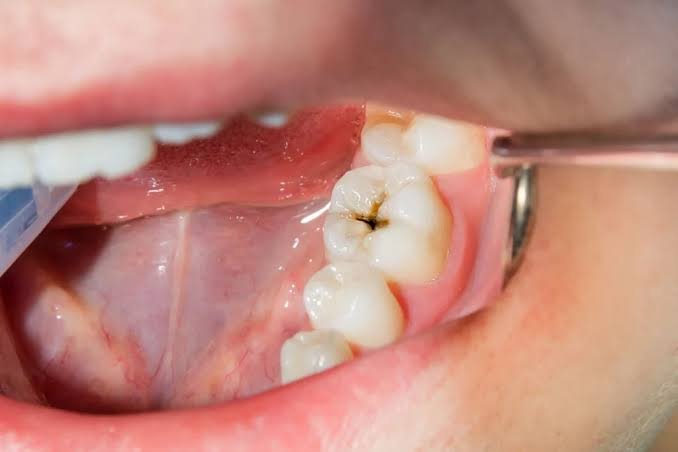
Nobody enjoys hearing “you have a cavity” at a dental checkup. It’s one of those moments that makes you instantly regret every sugary snack from the past six months. The good news is that learning how to prevent cavities isn’t complicated — it just requires consistency, which honestly is harder than the actual techniques themselves.
I used to brush inconsistently and skip flossing entirely, until a particularly painful cavity forced a serious rethink of my oral care habits.
What Actually Causes Cavities?
Quick answer: Cavities form when bacteria in your mouth feed on sugars and starches, producing acid that erodes tooth enamel over time — preventing this comes down to reducing that bacterial acid exposure through better brushing, diet, and dental visits.
Brush Properly, Not Just Regularly
Brushing twice daily matters, but technique matters just as much. Use a soft-bristled brush, gentle circular motions, and spend a full two minutes — most people brush for less than 45 seconds without realizing it.
Don’t Skip Flossing
Brushing alone misses about 40% of your tooth surfaces — specifically the spaces between teeth where cavities commonly start. Daily flossing genuinely changes your cavity risk.
Use Fluoride Toothpaste
Fluoride strengthens enamel and helps reverse very early-stage decay before it becomes an actual cavity. Check your toothpaste label — not all budget options contain adequate fluoride levels.
Limit Sugary and Sticky Foods
It’s not just about how much sugar you eat, but how long it sits on your teeth. Sticky sweets and slowly-sipped sugary drinks throughout the day are worse than eating dessert once and brushing after.
Rinse or Brush After Eating When Possible
If brushing isn’t practical after every meal, even rinsing with water helps clear away food particles and dilute acid levels in your mouth.
Chew Sugar-Free Gum
This genuinely helps — chewing stimulates saliva production, which naturally neutralizes acid and washes away food debris.
Get Regular Dental Checkups
Twice a year is the standard recommendation. Dentists catch early-stage decay that’s invisible and painless to you, often preventing what would’ve become a full cavity.
Consider Dental Sealants
Especially useful for children, sealants coat the chewing surfaces of back teeth, creating a physical barrier against decay-causing bacteria.
[link to related guide about foods for healthy teeth and gums here]
FAQ
Q: How often should I really be brushing my teeth? Twice daily — morning and before bed — is the standard, evidence-backed recommendation.
Q: Does mouthwash replace the need for flossing? No, mouthwash is a helpful addition, but it doesn’t physically remove plaque between teeth the way flossing does.
Q: Can cavities heal on their own? Very early-stage decay, before it becomes a true cavity, can sometimes be reversed with fluoride and good oral hygiene. Once a cavity has formed, it requires professional treatment.
Q: Are electric toothbrushes really better than manual ones? Studies generally show electric toothbrushes remove slightly more plaque, though proper technique with a manual brush still works well.
Q: How do I know if I already have a cavity? Sensitivity to hot, cold, or sweet foods, visible dark spots, or pain while chewing are common signs — but early cavities often show no symptoms at all, which is why regular checkups matter.
Conclusion
Knowing how to prevent cavities genuinely comes down to a handful of consistent habits: proper brushing, daily flossing, mindful eating, and regular checkups. None of this is complicated, but it does require sticking with it even when your teeth feel fine. Book that six-month checkup you’ve been postponing — your future self will thank you.
Suggested alt text: “Person brushing teeth properly to prevent cavities”