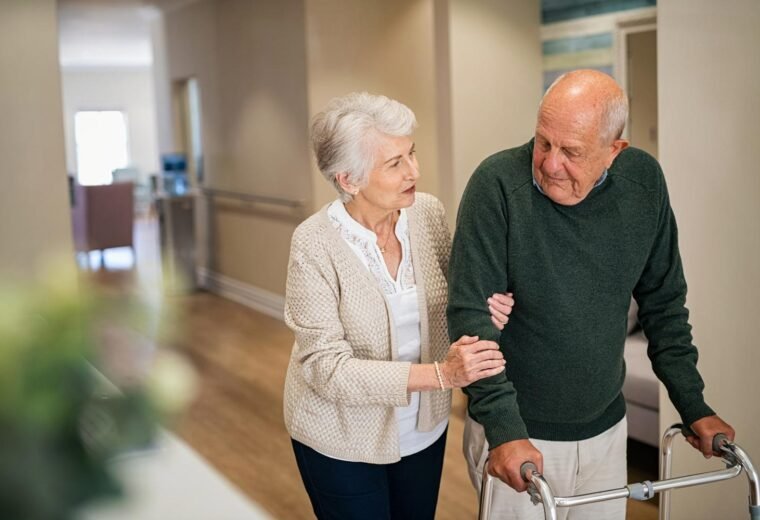
There’s a persistent myth that exercise becomes less important, or even risky, as we age. Actually, the opposite tends to be true — appropriate exercise for senior citizens helps maintain independence, prevent falls, and manage chronic conditions more effectively than most other interventions available.
My father started walking daily and doing light resistance training at 68, after years of being fairly sedentary. The change in his mobility and energy within just a few months was honestly noticeable to the whole family.
Why Exercise Matters Even More With Age
Quick answer: Exercise for senior citizens helps preserve muscle mass, bone density, and balance — all of which naturally decline with age — and this directly reduces fall risk, one of the leading causes of injury and loss of independence in older adults.
Walking: The Simplest Starting Point
Just 20-30 minutes of daily walking improves cardiovascular health, mood, and mobility. It’s low-impact, requires no equipment, and can be done almost anywhere.
Strength Training for Bone and Muscle Health
Light resistance training, using bands or light weights, helps counter the natural muscle loss that accelerates after age 60. Even bodyweight exercises like chair squats offer real benefit.
Balance Exercises to Prevent Falls
Simple exercises like standing on one leg (with support nearby) or heel-to-toe walking significantly improve balance over time, directly reducing fall risk.
Flexibility and Stretching
Gentle stretching maintains range of motion in joints, making daily activities like reaching, bending, and dressing easier and safer.
Low-Impact Options: Swimming and Water Aerobics
Water-based exercise reduces joint strain significantly while still providing solid cardiovascular and strength benefits — genuinely valuable for seniors with arthritis or joint pain.
Yoga and Tai Chi for Balance and Calm
Both practices combine gentle movement with balance training and stress reduction, offering benefits beyond just the physical.
Starting Safely, Especially After a Sedentary Period
Starting slowly and building up gradually matters more here than in younger populations. Consulting a doctor before beginning a new exercise routine is genuinely worthwhile, particularly with existing health conditions.
Making Exercise Social and Enjoyable
Group classes or walking with a friend adds accountability and genuinely makes exercise something to look forward to, rather than a chore to push through alone.
[link to related guide about creating a safe home for elderly parents here]
FAQ
Q: Is it safe to start exercising for the first time in your 60s or 70s? Yes, with medical clearance and a gradual approach, starting exercise later in life still provides significant health benefits.
Q: How many days a week should seniors exercise? Most guidelines recommend moderate activity most days of the week, combined with strength training 2-3 times weekly.
Q: What if joint pain limits exercise options? Low-impact options like swimming, water aerobics, or gentle yoga are often well-tolerated even with joint pain or arthritis.
Q: Can exercise really reduce fall risk that significantly? Yes, balance and strength training specifically have strong research support for reducing fall risk in older adults.
Q: How long before seniors typically notice improvements? Many notice improved energy and mobility within 4-6 weeks of consistent, appropriate exercise.
Conclusion
Exercise for senior citizens isn’t about intensity — it’s about consistency and appropriateness for your current ability level. Starting with something as simple as daily walking genuinely builds toward meaningful improvements in strength, balance, and independence over time.
Suggested alt text: “Senior citizen doing gentle balance exercises for fall prevention”