HealthGuided read
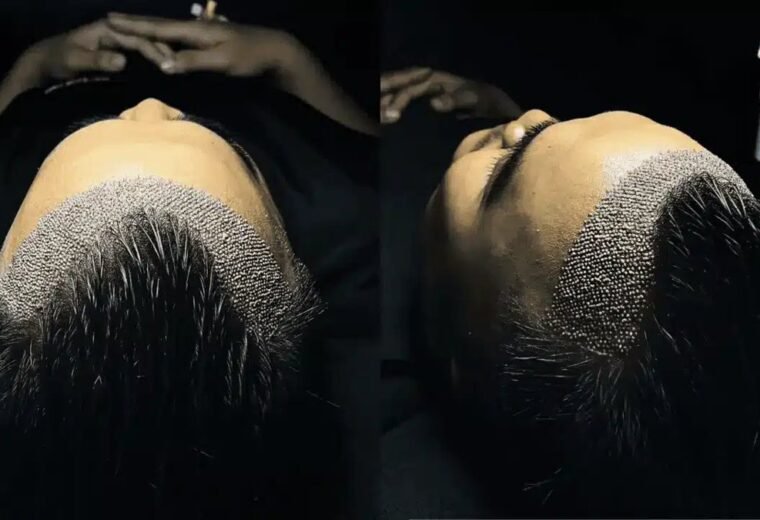
For many people considering hair restoration, the idea of shaving their head is the biggest obstacle. They worry about returning to work, meeting friends or being photographed with a freshly shaved scalp. Unshaven techniques were developed to solve exactly this problem. They allow grafts to be taken and placed while most of the existing hair stays long, making the procedure far more discreet. What Is a No-Shave Hair Transplant? In a no shave hair transplant, the surgical team avoids shaving the whole head. Depending on the case, only small strips in the donor area are trimmed and hidden under the surrounding hair, or the grafts are extracted while the hair is left at a short length. In the recipient area, grafts are placed between existing hairs. Common variations Who Is a Good Candidate? Unshaven methods are not right for everyone. They work best when: Patients needing very large sessions are often advised to shave, because it allows the team to work faster and more evenly across the donor area. Which Tools Are Used? Unshaven procedures can be combined with different implantation tools. Some teams use DHI implanter pens to place grafts precisely between existing hairs. Others open channels with sapphire blades, which make fine incisions and allow close placement. The choice depends on the area, the density needed and the surgeon’s experience. Why it takes longer Working around long hair is slower. Each graft has to be extracted and placed without damaging the native hairs nearby. As a result, unshaven procedures usually take more time than shaved sessions with the same number of grafts. Recovery: How Discreet Is It? Discretion is the main advantage. In the first days there will still be small crusts and some redness, but the longer hair hides much of this. Many patients return to office work sooner than they would after a fully shaved procedure, although each case is different. the result matures over roughly twelve months ] Looking at Real Results Before choosing a method, it is worth studying patient results that match your hair type and level of hair loss. Results from patients with similar density and hair texture give a more realistic idea of what you can expect than dramatic transformations from very different cases. Questions to Ask Before Booking Conclusion A no-shave hair transplant makes restoration more discreet and easier to fit into everyday life. It requires more time and skill from the medical team and suits moderate graft counts best. For the right candidate, it offers a way to restore hair without anyone needing to know.
 3 min