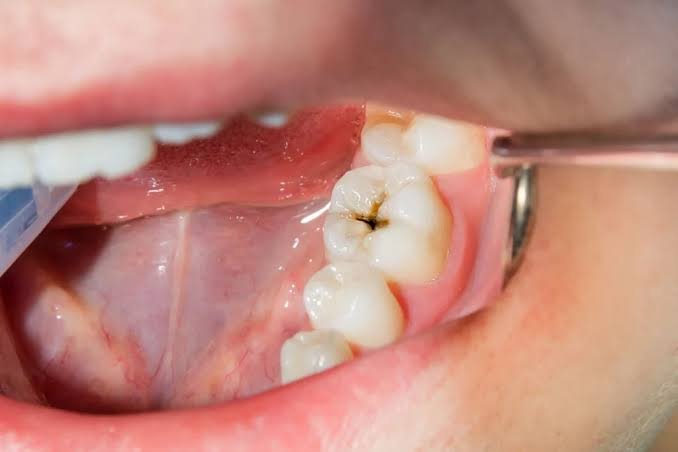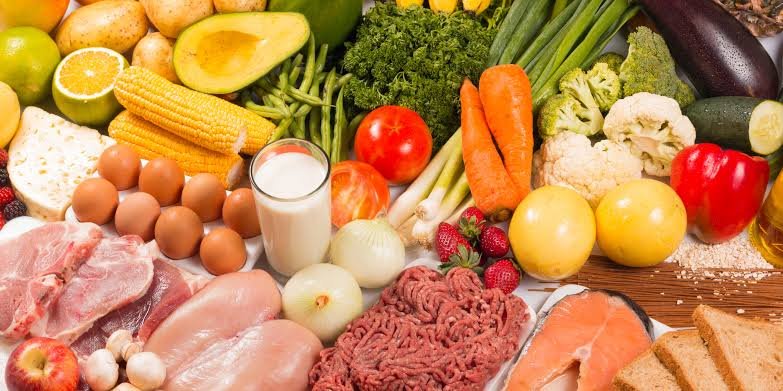
We talk a lot about brushing and flossing when it comes to oral health, but diet plays a bigger role than most people give it credit for. Certain foods for healthy teeth actively strengthen enamel and support gum health, while others quietly work against everything your toothbrush is trying to accomplish.
I never really connected my diet to my dental health until a dentist pointed out how my frequent snacking — not just what I ate, but how often — was affecting my enamel.
How Diet Affects Your Teeth
Quick answer: Certain foods for healthy teeth provide calcium, phosphorus, and vitamin D that strengthen enamel, while crunchy fruits and vegetables naturally clean teeth and stimulate saliva production that neutralizes harmful acids.
Dairy Products
Milk, cheese, and curd are rich in calcium and phosphorus — minerals essential for maintaining strong enamel. Cheese in particular raises saliva pH, reducing acid exposure after eating.
Crunchy Fruits and Vegetables
Apples, carrots, and cucumbers act almost like natural toothbrushes. Their fibrous texture stimulates saliva flow and gently scrubs away surface plaque while you chew.
Leafy Greens
Spinach and other leafy greens are high in calcium and folic acid, both of which support gum health and may help prevent gum disease.
Nuts and Seeds
Almonds, in particular, provide calcium along with protein, and their low sugar content makes them a genuinely tooth-friendly snack option.
Green and Black Tea
Both contain polyphenols that can suppress the growth of cavity-causing bacteria. Unsweetened tea is a smart swap for sugary beverages.
Water (Especially Fluoridated Water)
Simple, but genuinely underrated. Water rinses away food particles, keeps saliva production steady, and fluoridated water directly strengthens enamel.
Foods to Limit for Better Dental Health
- Sticky candies and dried fruits that cling to teeth
- Frequent sipping of sugary sodas or juices throughout the day
- Excessive citrus that erodes enamel over time
- Starchy snacks like chips that get trapped between teeth
Timing Matters as Much as Choice
Eating a piece of cake once and brushing afterward does far less damage than grazing on sugary snacks throughout the entire day. Constant acid exposure is the real enemy here.
[link to related guide about preventing cavities here]
FAQ
Q: Are all fruits bad for teeth because of natural sugar? No, whole fruits like apples and pears are generally fine and even beneficial due to their fiber and water content, unlike dried fruit or fruit juice which concentrate sugar.
Q: Does cheese really help protect teeth? Yes, several studies show eating cheese after meals helps neutralize acid and raises calcium levels around teeth.
Q: How does water help with dental health beyond hydration? It rinses food debris, supports saliva production, and (if fluoridated) directly strengthens enamel over time.
Q: Is sugar-free gum actually good for teeth? Yes, it stimulates saliva flow, which helps neutralize acids and clear away food particles — genuinely useful between meals.
Q: Can diet alone prevent gum disease? Diet helps significantly, but it works alongside proper brushing, flossing, and regular dental visits — not as a replacement for them.
Conclusion
The right foods for healthy teeth genuinely complement your brushing and flossing routine, giving your enamel and gums the nutrients they need to stay strong. Small swaps — cheese instead of candy, water instead of soda, apples instead of chips — add up over months and years into meaningfully better dental health.
Suggested alt text: “Assortment of tooth-friendly foods including dairy, apples, and nuts”