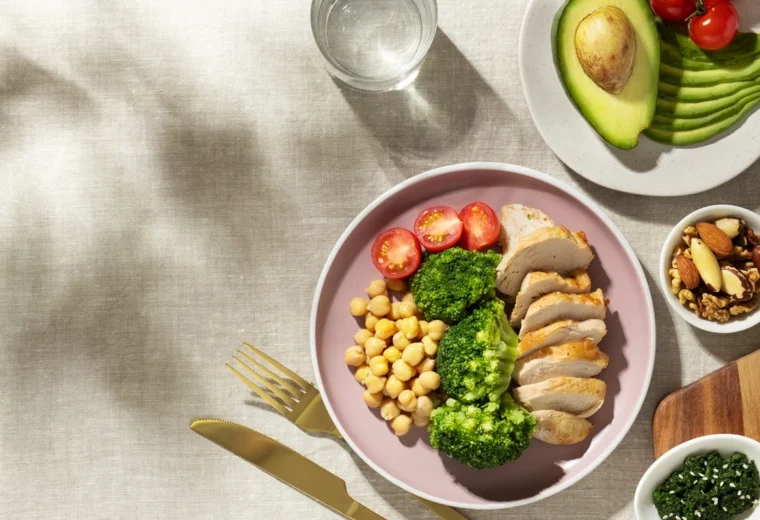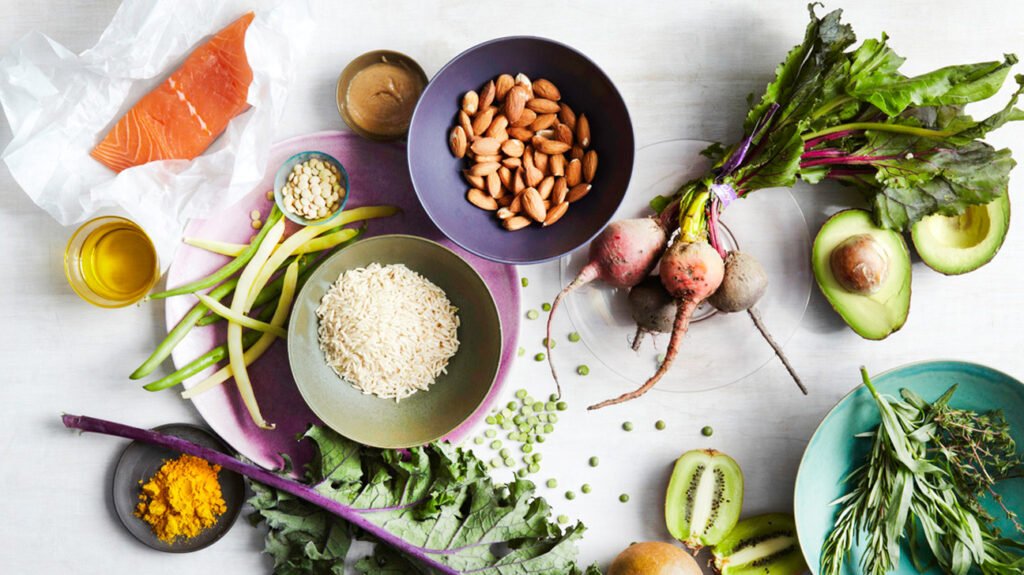
The word “superfood” gets thrown around so loosely these days that it’s lost most of its meaning — everything from exotic berries to random powders gets slapped with the label. But some foods genuinely do pack an outsized nutritional punch. Real superfoods for health aren’t about rare, expensive imports; several of the best ones are probably already sitting in your kitchen.
I used to assume superfoods meant quinoa and chia seeds flown in from somewhere far away. Turns out, some of India’s everyday ingredients hold their own against any trendy import.
What Actually Makes a Food a “Superfood”?
Quick answer: A true superfood delivers a high concentration of nutrients — vitamins, minerals, antioxidants, or fiber — relative to its calorie count, offering real, measurable health benefits beyond basic nutrition.
Turmeric
Curcumin, the active compound in turmeric, has well-documented anti-inflammatory properties. Adding black pepper improves its absorption significantly — a trick most Indian kitchens already use instinctively.
Amla (Indian Gooseberry)
One of the richest natural sources of vitamin C available, amla supports immunity and skin health. A single amla can contain more vitamin C than an orange.
Moringa Leaves
Packed with iron, calcium, and protein, moringa is often overlooked despite being one of the most nutrient-dense leafy greens around.
Fenugreek Seeds (Methi)
Known to help regulate blood sugar levels, methi seeds are a genuinely useful addition for anyone managing prediabetes or general blood sugar concerns.
Curd (Yogurt)
Good gut bacteria matters more than most people realize for digestion and immunity. A daily bowl of curd supports this in a way that’s simple and affordable.
Spinach and Other Leafy Greens
High in iron, folate, and antioxidants, leafy greens are consistently linked to lower risk of chronic diseases in long-term studies.
Walnuts and Flaxseeds
Both offer plant-based omega-3 fatty acids, which support heart and brain health — particularly useful for vegetarians who don’t get omega-3s from fish.
Garlic
Beyond flavor, garlic has documented benefits for cardiovascular health and immune function, particularly when consumed raw or lightly cooked.
[link to related guide about high protein diet plans here]
FAQ
Q: Are expensive imported superfoods better than local Indian ones? Not necessarily. Amla, moringa, and methi often match or exceed the nutritional profile of pricier imported alternatives, at a fraction of the cost.
Q: How much turmeric should I consume daily? About 1-2 teaspoons daily in cooking is a reasonable, safe amount for most people.
Q: Can superfoods replace a balanced diet? No single food replaces overall dietary balance — superfoods work best as additions to an already varied diet, not shortcuts around it.
Q: Is raw garlic better than cooked garlic? Raw garlic retains more of the beneficial compound allicin, though cooked garlic still offers meaningful nutritional value.
Q: How quickly will I notice benefits from adding these foods? Some effects, like digestion, may improve within days; others, like long-term disease risk reduction, build up over months and years of consistent intake.
Conclusion
You don’t need an exotic grocery list to eat well — many of the best superfoods for health are already common in Indian households. Start incorporating a few of these into your weekly meals, and you’ll be covering a surprising amount of nutritional ground without spending extra on imported alternatives.
Suggested alt text: “Assortment of Indian superfoods including turmeric, amla, and moringa leaves”