2 minThe Economics of Vaccines: Why the Market Behaves Differently From Other Drugs
Vaccines occupy an unusual position in the pharmaceutical industry. They are given to healthy people to prevent illness rather than to sick patients to…
A focused collection of practical guides, clear explanations and connected next steps for this area of health and wellbeing.
2 minVaccines occupy an unusual position in the pharmaceutical industry. They are given to healthy people to prevent illness rather than to sick patients to…
2 minCapital expenditure is the money a company spends on long-lived assets such as factories, equipment, and infrastructure, and the way those costs flow through…
2 minProgress in inflammatory bowel disease (IBD) depends on two things: treatments that work, and trials that can tell whether they do. Two recent developments…
5 minOne of the most practical questions people ask before a hair transplant is how much time they need away from work. The procedure itself usually takes a single day, but the visible healing that follows shapes when most people feel comfortable returning to the office, a construction site or a client meeting. This plan breaks the first weeks down so you can organise leave with fewer surprises. Days One to Three: Protect the Grafts The first days are about rest and protecting the newly placed follicles. The recipient area is red, small crusts begin to form and the scalp can feel tight. Many surgeons recommend sleeping with the head raised and avoiding bending forward for long periods. Most people prefer not to work during this phase, even from home, because concentration is easier once the first wash has been done and any discomfort has eased. Days Four to Seven: Swelling Fades, Crusts Remain Forehead swelling often appears around the second or third day and usually settles by the end of the first week. Small crusts are still visible around each graft. People with desk jobs and flexible dress codes often return towards the end of this week, while those in public-facing roles tend to wait a little longer. A practical guide to going back to work after a hair transplant can help you match the timing to your own role. Days Eight to Fourteen: The Scabs Come Away Gentle daily washing, done exactly as instructed, gradually softens the crusts. Most fall away during the second week. It is tempting to pick at them, but pulling a crust off early can disturb a graft that has not yet anchored. Understanding how hair transplant scabs form and clear makes this phase less stressful, and it explains why the short hairs that come away with them are not lost follicles. Covering the area at work Loose hats are commonly allowed after the first several days, but rules differ between surgeons. Longer hair above the donor area can also help hide the back of the head. Patients who choose techniques that avoid shaving the whole head often find the transition back to work easier. Weeks Three to Four: Normal Routine Returns By this point most visible signs have faded, apart from some redness that can last longer in people with fair skin. Exercise is usually reintroduced step by step. Around this time, many transplanted hairs shed. This is a normal part of the cycle, and new growth typically starts several months later. Know What Is Normal and What Is Not Mild swelling, itching, temporary numbness and some redness are expected after surgery. Increasing pain, spreading redness, discharge or fever are not, and they should be reported to the medical team promptly. Reading about hair transplant side effects before surgery helps you separate ordinary healing from signs that need attention, and it makes planning your return to work far more realistic. Above all, follow the aftercare instructions you receive in writing. Two people can heal at different speeds after the same procedure, so treat any timeline as a guide rather than a promise.

3 minSurrogacy can offer same-sex couples a path to parenthood, but the legal process can be different from one country to another. Before beginning treatment,…
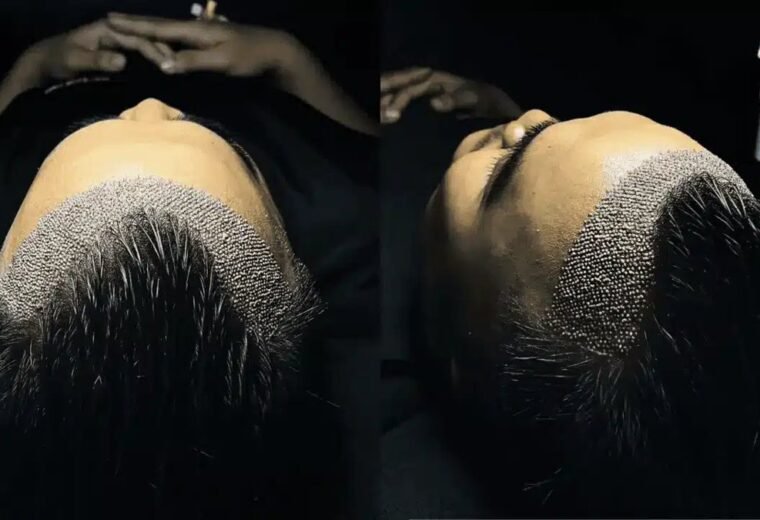
5 minFor many people considering hair restoration, the idea of shaving their head is the biggest obstacle. They worry about returning to work, meeting friends or being photographed with a freshly shaved scalp. Unshaven techniques were developed to solve exactly this problem. They allow grafts to be taken and placed while most of the existing hair stays long, making the procedure far more discreet. What Is a No-Shave Hair Transplant? In a no shave hair transplant, the surgical team avoids shaving the whole head. Depending on the case, only small strips in the donor area are trimmed and hidden under the surrounding hair, or the grafts are extracted while the hair is left at a short length. In the recipient area, grafts are placed between existing hairs. Common variations Who Is a Good Candidate? Unshaven methods are not right for everyone. They work best when: Patients needing very large sessions are often advised to shave, because it allows the team to work faster and more evenly across the donor area. Which Tools Are Used? Unshaven procedures can be combined with different implantation tools. Some teams use DHI implanter pens to place grafts precisely between existing hairs. Others open channels with sapphire blades, which make fine incisions and allow close placement. The choice depends on the area, the density needed and the surgeon’s experience. Why it takes longer Working around long hair is slower. Each graft has to be extracted and placed without damaging the native hairs nearby. As a result, unshaven procedures usually take more time than shaved sessions with the same number of grafts. Recovery: How Discreet Is It? Discretion is the main advantage. In the first days there will still be small crusts and some redness, but the longer hair hides much of this. Many patients return to office work sooner than they would after a fully shaved procedure, although each case is different. the result matures over roughly twelve months ] Looking at Real Results Before choosing a method, it is worth studying patient results that match your hair type and level of hair loss. Results from patients with similar density and hair texture give a more realistic idea of what you can expect than dramatic transformations from very different cases. Questions to Ask Before Booking Conclusion A no-shave hair transplant makes restoration more discreet and easier to fit into everyday life. It requires more time and skill from the medical team and suits moderate graft counts best. For the right candidate, it offers a way to restore hair without anyone needing to know.
When people search for a doctor, therapist, or health service, a website is often their first point of contact. A clear, accurate site helps…
4 minBack and neck pain are, according to multiple large-scale workforce surveys, among the leading causes of sick days, reduced productivity, and early retirement across…
3 minNew parenthood comes with an overwhelming amount to keep track of, and vaccinations are one of the most important — yet most confusing —…