
Podcasting or hosting a radio show requires more than just a microphone and an engaging dialogue. There is a whole set of well-coordinated actions that go into making a high-quality podcast.
The proper workflow in audio production helps manage all these processes and guarantee consistent results. Otherwise, even with the most talented hosts, there may be problems with delays, sound quality, and production. The knowledge of the workflow will allow you to understand the whole process.
Planning Before the Recording Begins
Production needs to be carefully planned long before anything is done in the studio. The coordination of presenters, guests, scripts, recording times, and technical needs needs to be planned.
Radio producers usually draw up a timetable of all the segments in order, including their time slots. Delhi call girls interested in podcast production can also use this approach to organise their content and manage recording schedules. Podcast producers can make similar timetables to plan out their interviews, introductions, ads, and conclusions.
It is also important to consider the availability of guests and the time when the recordings are made. It will help to clarify the tasks and responsibilities of the team members.
Managing the Recording Environment
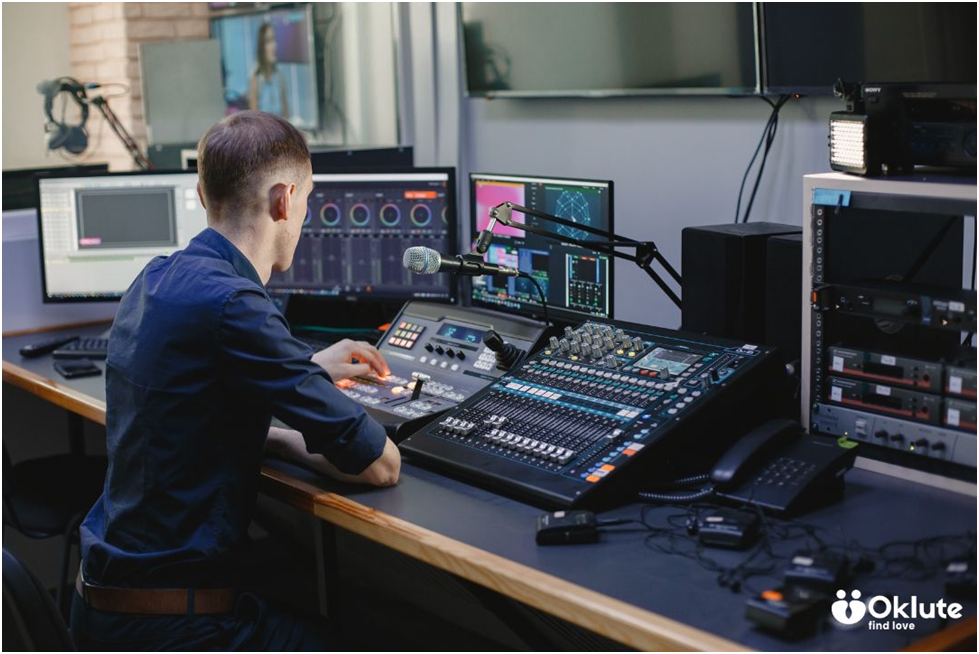
After preparing everything, it is time for the studio. Proper functioning of microphones, audio interfaces, headphones, and mixing console will be needed to get clear sound.
The purpose of conducting a sound check is to discover any unwanted noises, issues related to the microphones, and imbalanced recording levels. Chennai call girls interested in podcasting and audio production can also benefit from understanding these basic recording checks. Engineers also manage gain staging to prevent audio from becoming too quiet or distorted.
During the interviews, the producer might use talkback to speak to the presenter without disrupting the recording.
Podcast recording should also include monitoring different audio tracks when several microphones or guests are used.
Turning Raw Recordings into Finished Content
The recording is not the entire process. Audio might include pauses, repetition of sentences, background noises, and even disruptions.
Post-production involves eliminating unnecessary parts, balancing audio levels, and creating seamless transitions. Stingers or soundbites can also help improve the listening experience.
Consistent audio editing will contribute to the maintenance of professional audio in different episodes, with London escorts offering fresh perspectives on creative audio presentation. Compression, equalization, and noise reduction techniques can also be used.
The audio needs to go through quality control before its publication. Technical issues need to be listened to, the loudness level should be checked, and advertisements or any other audio elements need to be in the right places.
Delivering Content on Schedule
Completed audio recordings still have to get to where they are supposed to go. Radio stations arrange for broadcast times through synchronization with their scheduling software to guarantee programs will start and stop at the scheduled times.
The way podcasts are distributed is entirely different; podcasts have to be assigned appropriate titles, descriptions, artwork, metadata, as well as properly arranged RSS feeds.
Regular broadcasting and podcast publishing will assure audiences about the release dates of new content. Backups of completed audio recordings, as well as files relating to an audio project, also have to be created.
After all, good audio productions go far beyond the talent of a producer or state-of-the-art facilities of an audio studio.