Ever stared at a lab report full of numbers, arrows, and abbreviations and had absolutely no idea what any of it meant? You’re not alone. Most people get their blood test results explained in about 90 seconds by a rushed doctor, and walk out more confused than before. Let’s slow that down.
I remember getting my own CBC report years ago and Googling half the terms in the waiting room. It shouldn’t be that complicated — and honestly, once you understand the basics, it isn’t.
What Is a Complete Blood Count (CBC)?
This is usually the first test doctors order. It measures your red blood cells, white blood cells, and platelets.
Quick answer: A CBC checks for infections, anemia, and clotting problems by measuring your red cells, white cells, and platelet counts — low or high numbers point doctors toward specific conditions.
Red Blood Cells and Hemoglobin
Low hemoglobin (below roughly 12 g/dL for women, 13.5 g/dL for men) usually signals anemia. This is incredibly common in India, especially among women, often from iron deficiency.
White Blood Cell Count
High WBC counts often mean your body is fighting an infection. Low counts can point to immune system issues or certain medications’ side effects.
Blood Sugar Levels (Fasting Glucose & HbA1c)
Fasting glucose above 100 mg/dL suggests prediabetes; above 126 mg/dL on two separate tests suggests diabetes. HbA1c gives your average blood sugar over 3 months — anything above 6.5% is a red flag.
Lipid Profile (Cholesterol)
- Total cholesterol: under 200 mg/dL is generally desirable
- LDL (“bad” cholesterol): lower is better, ideally under 100 mg/dL
- HDL (“good” cholesterol): higher is better, above 40-60 mg/dL
- Triglycerides: under 150 mg/dL
Liver Function Tests (LFT)
SGOT and SGPT are enzymes that rise when your liver is under stress — from alcohol, medication, fatty liver, or infection. Slightly elevated numbers aren’t always alarming but should be discussed with your doctor.
Kidney Function Tests
Creatinine and urea levels tell doctors how well your kidneys are filtering waste. Elevated numbers can indicate dehydration or, in more serious cases, kidney disease.
Thyroid Panel (TSH, T3, T4)
High TSH usually means an underactive thyroid (hypothyroidism); low TSH often points to an overactive one (hyperthyroidism). This one test alone explains a surprising number of “unexplained” fatigue and weight issues.
[link to related guide about when to see a doctor vs wait here]
FAQ
Q: Do I need to fast before every blood test? Not all of them, but fasting glucose and lipid profiles usually require 8-12 hours of fasting.
Q: Why do my results show a slight variation from the “normal” range? Labs vary slightly in their reference ranges. A number just outside the range isn’t automatically a problem — context matters, which is why you discuss it with a doctor.
Q: How often should I get routine blood work done? Once a year for most healthy adults; more often if you have an existing condition.
Q: What does it mean if multiple values are slightly off? It could point to a pattern, like early metabolic syndrome. This is exactly why doctors look at the full picture, not one number alone.
Q: Can dehydration affect my blood test results? Yes, it can skew several values including creatinine and hemoglobin concentration. Drink water normally before your test unless fasting is required.
Conclusion
Getting your blood test results explained properly shouldn’t feel like decoding a secret language. Once you know what the major markers mean, that lab report becomes a genuinely useful tool instead of a source of anxiety. Next time you get results back, don’t just file them away — actually read through them, and ask your doctor questions if something looks off.
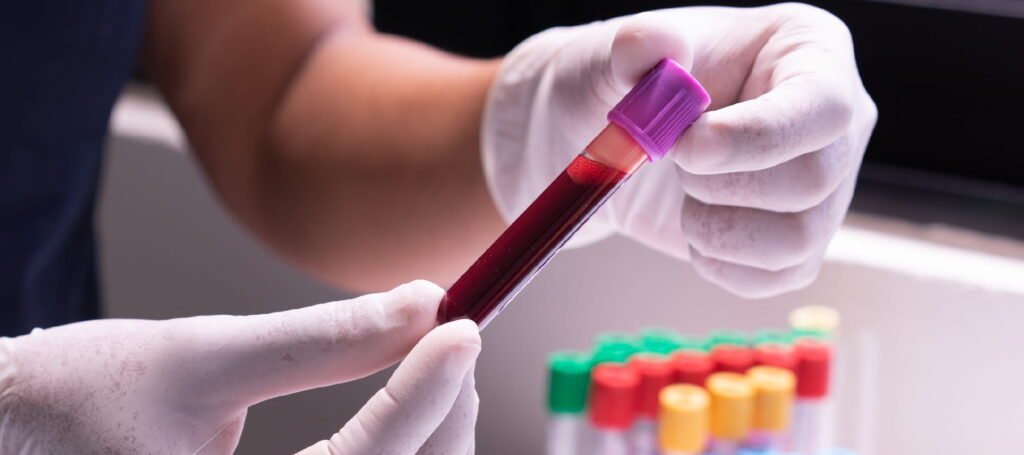
Suggested alt text: “Blood test report with lab values being reviewed”