A decade ago, tracking your heart rate meant a visit to a doctor’s office. Now it’s sitting on your wrist, updating in real time, while you go about your day without a second thought. Wearable health technology has genuinely changed how ordinary people relate to their own bodies — for better, and occasionally for worse.
I was skeptical of fitness trackers for years, dismissing them as glorified pedometers. Then a friend’s smartwatch flagged an irregular heart rhythm that turned out to be worth a doctor’s visit — that changed my perspective considerably.
What Wearables Can Actually Track Today
Quick answer: Modern wearable health technology tracks heart rate, sleep stages, blood oxygen levels, activity levels, and in some devices, even irregular heart rhythms — giving users continuous data that was previously only available through clinical visits.
Heart Rate and Heart Rhythm Monitoring
Continuous heart rate tracking helps identify patterns over time, and some advanced devices can detect irregular rhythms like atrial fibrillation, prompting users to seek medical evaluation they might otherwise have missed entirely.
Sleep Tracking and Analysis
Wearables estimate sleep stages — light, deep, REM — giving users insight into sleep quality beyond just total hours. This data, while not perfectly clinical-grade, genuinely helps identify concerning patterns worth discussing with a doctor.
Blood Oxygen and Respiratory Monitoring
Pulse oximetry features in many wearables track blood oxygen saturation, which gained significant attention during respiratory illness monitoring in recent years.
Activity and Fitness Tracking
Step counts, calorie estimates, and workout tracking help users maintain awareness of daily activity levels, often serving as genuine motivation for increasing movement throughout the day.
Stress and Recovery Metrics
Some devices use heart rate variability to estimate stress levels and recovery status, helping users understand when their body genuinely needs rest versus when it’s ready for more activity.
Continuous Glucose Monitoring Integration
Increasingly, wearables integrate with continuous glucose monitors, giving people with diabetes (and increasingly, health-conscious individuals without diabetes) real-time blood sugar insight.
Limitations Worth Understanding
Wearable data isn’t always clinically precise — accuracy varies by device and metric. Treating wearable data as a general trend indicator, rather than a diagnostic tool, is the more sensible approach.
The Risk of Over-Monitoring
Here’s my honest concern with this trend — constant health data can occasionally trigger unnecessary anxiety over normal fluctuations. Data should inform your choices, not become a source of constant worry.
[link to related guide about telemedicine benefits here]
FAQ
Q: Are wearable health devices accurate enough to replace medical tests? No, they’re useful for trend tracking and general awareness, but they shouldn’t replace clinical diagnostic tests for medical decisions.
Q: Can a smartwatch really detect heart problems? Some advanced devices can flag irregular rhythms suggestive of conditions like atrial fibrillation, prompting users to seek proper medical evaluation — but they don’t provide a diagnosis on their own.
Q: Is sleep tracking data reliable? It provides a reasonable estimate and useful trends over time, though it’s not as precise as clinical sleep studies conducted in a lab setting.
Q: Do I need an expensive device to get meaningful health data? Not necessarily — many mid-range wearables track the core metrics (heart rate, steps, sleep) reasonably well without premium pricing.
Q: Can constant health tracking be harmful? For some people, yes — it can contribute to health anxiety. Using the data as general guidance rather than obsessive monitoring is a healthier approach.
Conclusion
Wearable health technology has genuinely put meaningful health insights into everyday people’s hands in a way that simply wasn’t possible before. Used thoughtfully — as a trend-tracking tool rather than a diagnostic replacement — it can be a genuinely useful part of staying proactive about your health in 2026.
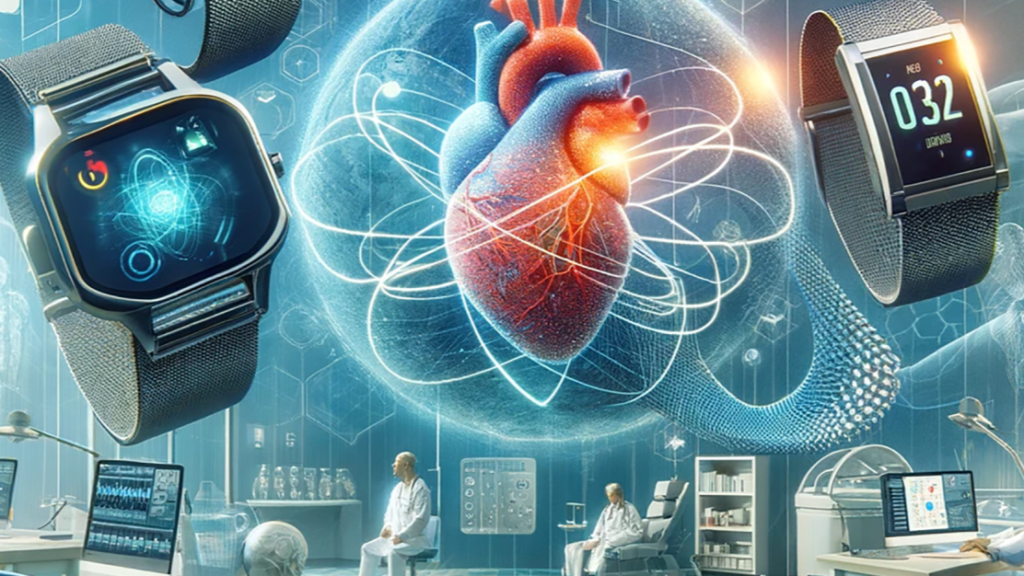
Suggested alt text: “Smartwatch displaying heart rate and health tracking data”