Ayurveda has been practiced in India for thousands of years, yet a lot of people — even here — only know it through scattered, half-understood fragments: some herbs, some diet rules, vague talk of “doshas.” A proper ayurveda for beginners understanding goes much deeper, and honestly, a lot of it holds up as genuinely practical lifestyle wisdom.
I grew up hearing Ayurvedic remedies from my grandmother long before I understood the actual system behind them. Learning the framework properly changed how I saw those old family habits.
The Core Concept: Doshas
Quick answer: Ayurveda for beginners starts with understanding the three doshas — Vata, Pitta, and Kapha — which represent different combinations of the five elements and are believed to govern individual physical and mental characteristics, guiding personalized diet and lifestyle recommendations.
Vata Dosha
Associated with air and space elements, Vata governs movement, creativity, and quick thinking. People with dominant Vata traits often benefit from warm, grounding foods and consistent routines.
Pitta Dosha
Linked to fire and water, Pitta governs digestion, metabolism, and intensity. Pitta-dominant individuals often benefit from cooling foods and avoiding excessive heat or intensity.
Kapha Dosha
Associated with earth and water, Kapha governs structure, stability, and immunity. Kapha types often benefit from stimulating activity and lighter, warming foods.
Daily Routine (Dinacharya) in Ayurveda
Ayurveda places significant emphasis on daily routine — waking early, tongue scraping, oil pulling, and eating meals at consistent times align with what modern wellness now calls “circadian rhythm support.”
Ayurvedic Approach to Diet
Rather than universal diet rules, Ayurveda emphasizes eating according to your dominant dosha, the season, and your current state of balance — a fairly personalized approach compared to generic modern diet plans.
Common Ayurvedic Herbs
- Ashwagandha — commonly used for stress management
- Triphala — traditionally used to support digestion
- Turmeric — valued for anti-inflammatory properties
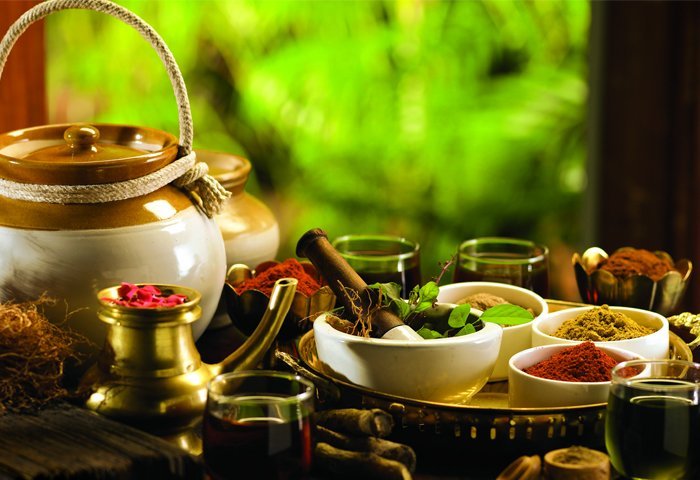
- Tulsi (holy basil) — used for immunity and respiratory support
Ayurveda and Modern Medicine: Finding Balance
Here’s my honest take — Ayurveda works well as a complementary approach for lifestyle and prevention, but it shouldn’t replace modern medical treatment for serious or acute conditions. The two can genuinely work together.
Getting Started Without Overwhelm
You don’t need to overhaul your entire lifestyle immediately. Start with one practice — a consistent wake time, warm water in the morning, or a basic understanding of your dominant dosha.
[link to related guide about acupuncture benefits here]
FAQ
Q: Is Ayurveda scientifically proven? Some Ayurvedic practices and herbs have research support, particularly around stress and inflammation, while others need more rigorous study by modern scientific standards.
Q: Can Ayurveda replace conventional medical treatment? It shouldn’t, especially for serious or acute conditions. It works best as a complementary lifestyle approach alongside conventional care.
Q: How do I determine my dominant dosha? Ayurvedic practitioners typically assess dosha through consultation involving physical characteristics, habits, and current symptoms — online quizzes offer a rough starting point but aren’t fully accurate substitutes.
Q: Are Ayurvedic herbs safe to take with regular medications? Not always — some herbs can interact with medications, so it’s worth discussing with both your doctor and an Ayurvedic practitioner before combining them.
Q: Is Ayurveda only about herbs and remedies? No, it’s a comprehensive lifestyle system covering diet, daily routine, sleep, and mental wellbeing, not just herbal treatments.
Conclusion
This ayurveda for beginners overview really just scratches the surface of a genuinely comprehensive system. Start small — pick one practice that resonates and build from there. And remember, it works best as a complement to modern healthcare, not a replacement for it.
Suggested alt text: “Ayurvedic herbs and natural remedies including turmeric and ashwagandha”