Ever bought a product because it worked wonders for a friend, only to find it does absolutely nothing for you — or worse, breaks you out? That mismatch usually comes down to one thing: not understanding skincare for skin type before shopping. What works beautifully for oily skin can genuinely harm dry or sensitive skin.
I learned this the hard way with a mattifying gel moisturizer that left my actually-dry skin flaking for weeks.
Identifying Your Skin Type First
Quick answer: The simplest way to identify your skin type is the bare-face test — wash your face, wait an hour without applying anything, then observe: shine everywhere suggests oily skin, tightness suggests dry, shine only in the T-zone suggests combination skin.
Oily Skin: What to Look For
Choose lightweight, oil-free, non-comedogenic products. Gel-based moisturizers and foaming cleansers work well without adding extra shine.
- Look for: salicylic acid, niacinamide, clay-based masks
- Avoid: heavy creams, oil-based products
Dry Skin: What to Look For
Rich, creamy formulas with hydrating ingredients work best. Avoid harsh, foaming cleansers that strip natural oils further.
- Look for: hyaluronic acid, ceramides, glycerin
- Avoid: alcohol-based toners, over-exfoliation
Combination Skin: The Balancing Act
This is genuinely one of the trickier types to manage — oily in some areas, dry in others. Many people end up using different products on different zones, which is completely reasonable.
Sensitive Skin: Prioritize Simplicity
Fewer ingredients, no fragrance, and fewer active ingredients at once. Patch testing new products before full application matters more here than for any other skin type.
- Look for: fragrance-free, hypoallergenic labels
- Avoid: strong exfoliants, heavily fragranced products
Normal Skin: Still Needs Care
Even “normal” skin benefits from consistent basic care — it’s not immune to sun damage or aging just because it doesn’t show obvious issues currently.
Reading Ingredient Labels Properly
Ingredients are listed by concentration, highest first. If an active ingredient you’re looking for is near the bottom of a long list, it’s likely present in a very small, less effective amount.
Patch Testing Before Full Use
Apply a small amount on your inner arm or jaw for 2-3 days before applying a new product to your whole face. This single habit prevents a lot of unnecessary breakouts and irritation.
[link to related guide about a complete skincare routine for glowing skin here]
FAQ
Q: Can my skin type change over time? Yes, factors like age, climate, hormones, and season can shift your skin type, so it’s worth reassessing periodically.
Q: Is combination skin the most common skin type? It’s quite common, yes, though exact prevalence varies by population and climate.
Q: How do I know if a product is causing a reaction versus normal adjustment? Mild tingling that fades within a few uses might be normal adjustment; persistent redness, itching, or breakouts suggest the product isn’t right for you.
Q: Should I use the same routine in summer and winter? Not necessarily — skin often needs lighter products in humid summer months and richer, more hydrating products in dry winter conditions.
Q: Do dermatologist-recommended products really work better? Products recommended based on an actual skin assessment tend to work better simply because they’re matched to your specific needs, rather than being generically marketed.
Conclusion
Getting skincare for skin type right stops you from wasting money on products that were never going to work for your skin in the first place. Take the time to properly identify your type, read ingredient labels, and patch test new products. It’s a small effort that saves both money and frustration long-term.
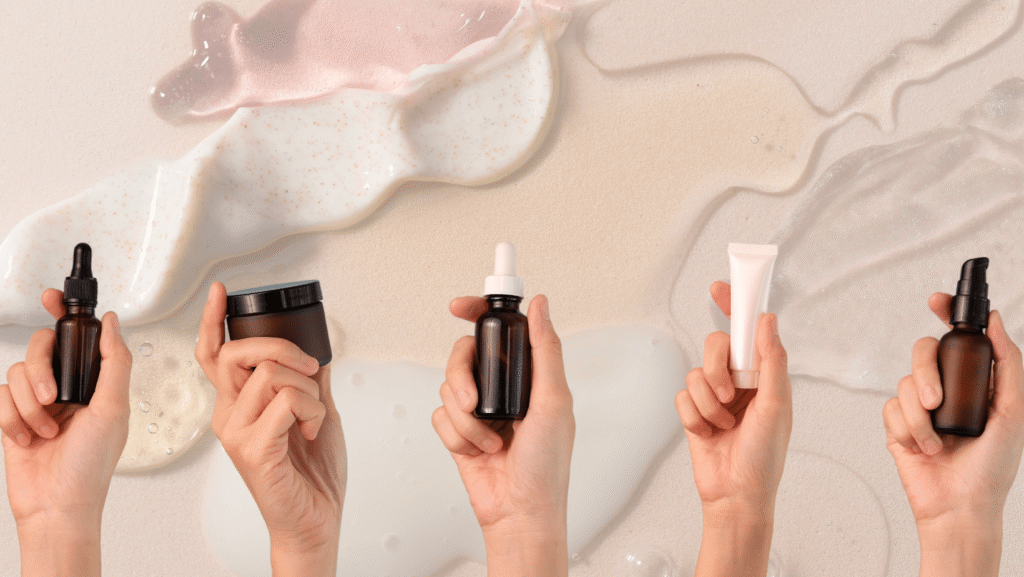
Suggested alt text: “Different skincare products organized by skin type”