Testosterone gets a lot of attention in fitness and men’s health spaces, sometimes with more hype than actual substance behind it. But genuinely, natural testosterone levels do affect energy, muscle mass, mood, and libido — so learning how to boost testosterone naturally through legitimate, evidence-backed methods is worth understanding properly.
I’ve seen plenty of exaggerated supplement claims in this space. What actually holds up under scrutiny is usually far simpler than the marketing suggests.
What Actually Affects Testosterone Levels
Quick answer: The most effective natural ways to boost testosterone include strength training, adequate sleep, maintaining healthy body weight, and managing chronic stress — these have far more research support than most testosterone-boosting supplements on the market.
Prioritize Strength Training
Resistance training, particularly compound movements like squats and deadlifts, has consistently shown positive effects on testosterone levels, especially in men who are new to structured strength training.
Get Adequate, Quality Sleep
Testosterone production largely happens during sleep. Chronic sleep deprivation — consistently under 6 hours — has been linked to meaningfully lower testosterone levels in multiple studies.
Maintain a Healthy Body Weight
Excess body fat, particularly around the midsection, is associated with lower testosterone levels partly because fat tissue converts testosterone into estrogen. Sustainable weight management genuinely supports hormonal balance here.
Manage Chronic Stress
Elevated cortisol from chronic stress directly interferes with testosterone production. This isn’t just a mental health talking point — it has real hormonal consequences.
Eat Enough Healthy Fats
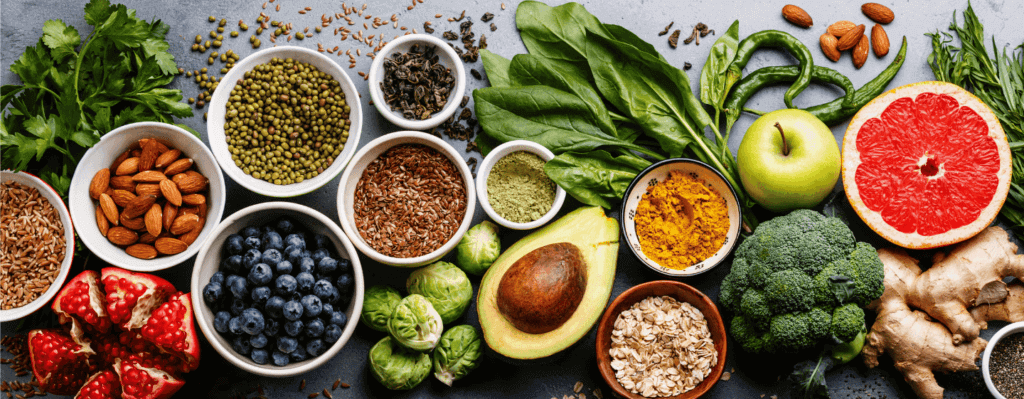
Extremely low-fat diets can negatively affect testosterone production, since cholesterol is a building block for hormone synthesis. Healthy fats — nuts, olive oil, ghee in moderation — support this process.
Get Enough Vitamin D and Zinc
Deficiencies in either have been linked to lower testosterone levels. Sun exposure, fortified foods, and foods like pumpkin seeds and lentils help address common gaps.
Limit Alcohol Consumption
Excessive alcohol intake has a well-documented negative effect on testosterone production, along with broader impacts on sleep and recovery.
Be Skeptical of Testosterone-Boosting Supplements
Most over-the-counter “testosterone boosters” lack strong scientific backing. If levels are genuinely low, that’s a conversation for a doctor and proper blood testing, not a random supplement off a shelf.
[link to related guide about health checkups men should get after 30 here]
FAQ
Q: At what age do testosterone levels naturally start declining? Levels typically begin a gradual decline around age 30, continuing slowly through subsequent decades.
Q: Can diet alone significantly raise testosterone? Diet supports healthy levels but rarely produces dramatic increases on its own — it works best combined with exercise, sleep, and weight management.
Q: Are testosterone supplements safe? Many lack strong evidence and quality regulation. If low testosterone is suspected, blood testing and medical guidance are the appropriate first steps, not supplements.
Q: How do I know if my testosterone is actually low? Symptoms like persistent fatigue, reduced muscle mass, low libido, and mood changes warrant a blood test — self-diagnosis based on symptoms alone isn’t reliable.
Q: Does stress really affect testosterone that significantly? Yes, chronic stress and elevated cortisol have a well-documented suppressive effect on testosterone production.
Conclusion
Learning how to boost testosterone naturally really comes down to fundamentals — strength training, sleep, healthy weight, and stress management — rather than expensive supplements promising quick fixes. If you suspect genuinely low levels, get tested properly rather than guessing based on symptoms alone.
Suggested alt text: “Man strength training as part of natural testosterone support routine”